

By May Hunter, For Iron County Today
Cedar Livestock & Heritage Festival Celebrates a Rich Tradition
The 21st annual Cedar Livestock & Heritage Festival, held Oct. 23–25, continued to delight spectators while celebrating the rich agricultural history and traditions of southern Utah.
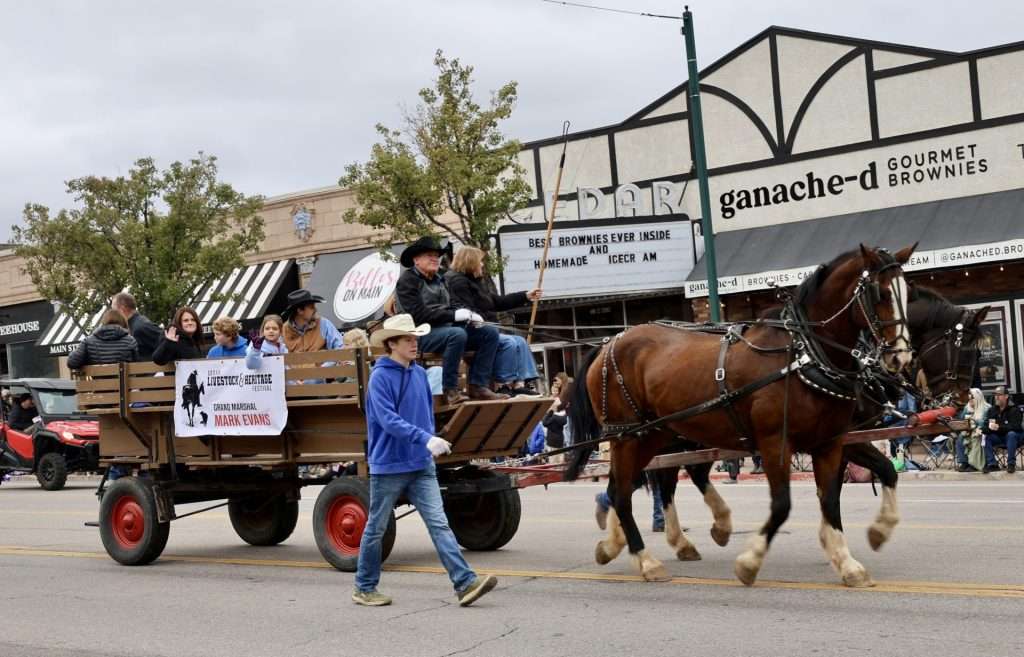
What began as a celebration of the region’s livestock heritage has grown into a three-day event filled with activities, entertainment, and a wonderful sense of community. With Mark Evans serving as this year’s Grand Marshal, the festival’s signature Sheep Parade was truly one of a kind.
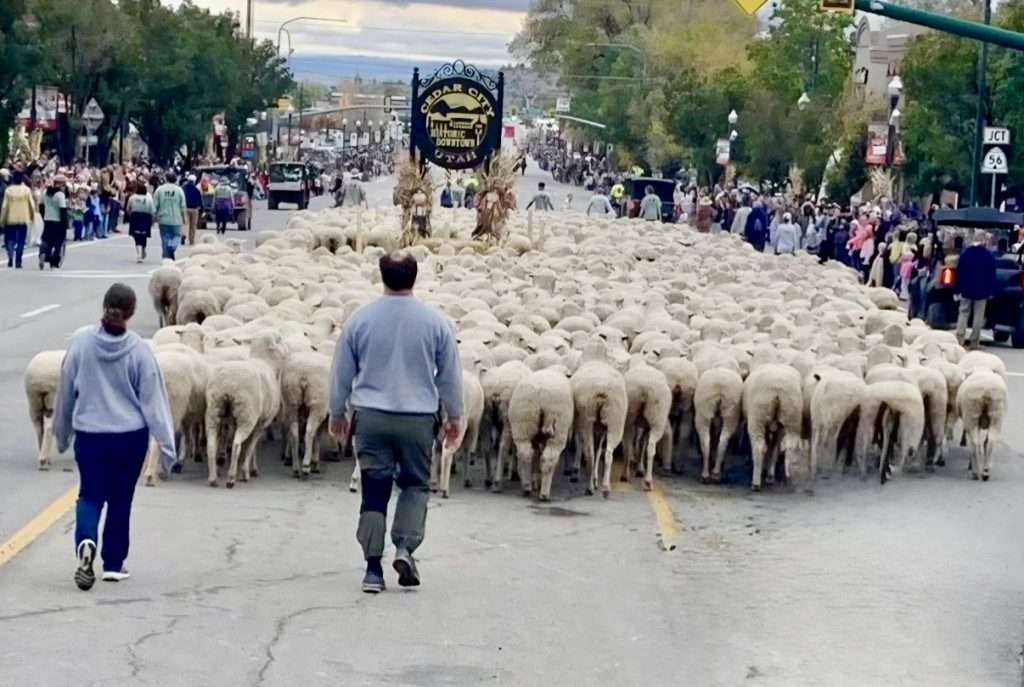
The highlight of the celebration was, of course, the Sheep Parade. More than 1,000 sheep, owned by the Nelson family, were herded from their Cedar Mountain pastures down Cedar City’s Main Street, offering spectators a remarkable glimpse into the Old West.
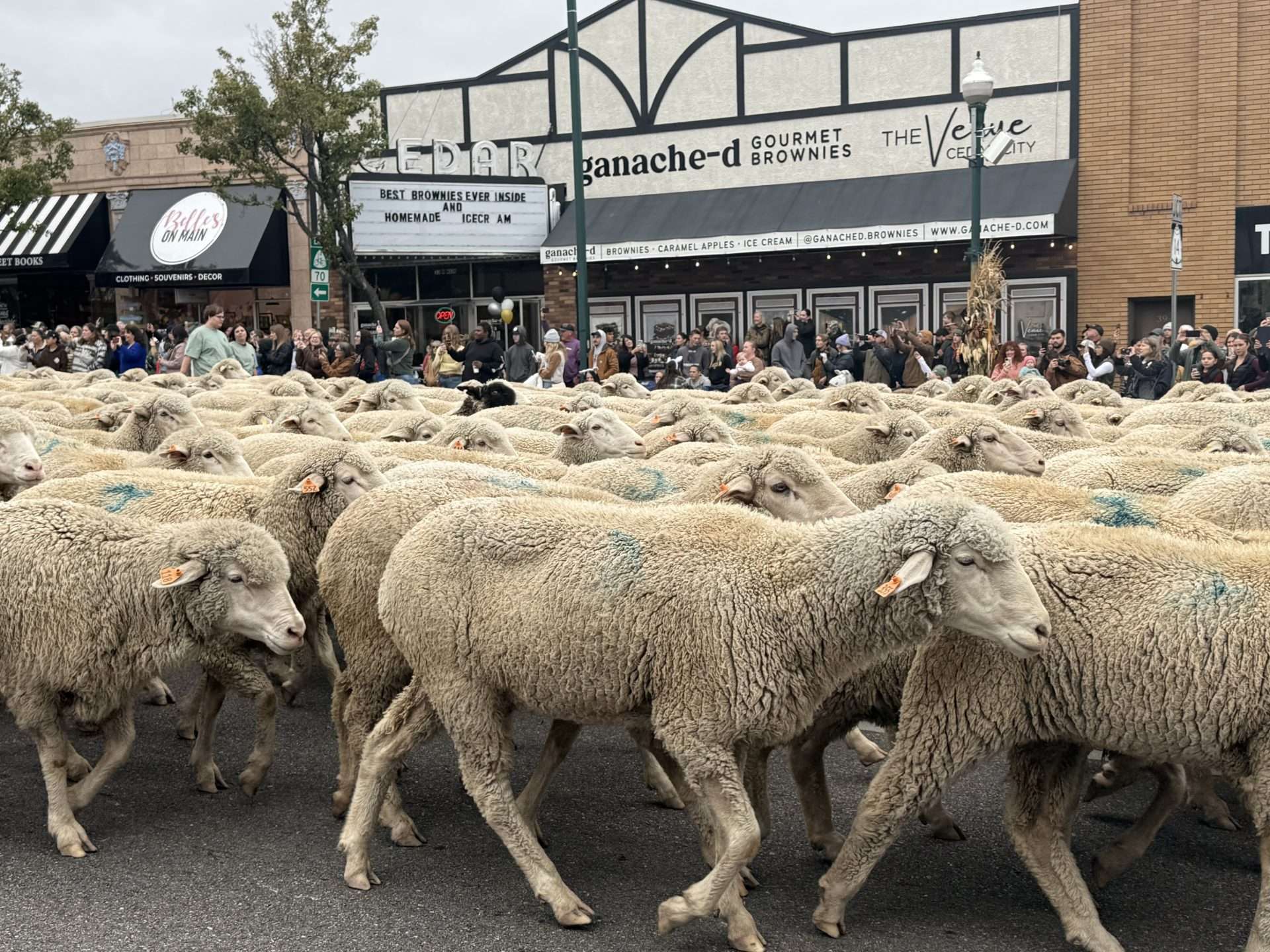
Approximately 8,000 spectators from Utah, Nevada, and beyond gathered along the parade route to witness one of the most unique parades in the country. Horses, wagons, antique tractors, youth groups, hardworking stock dogs, and both historic and modern sheep camps added to the festivities, bringing the area’s livestock heritage to life.
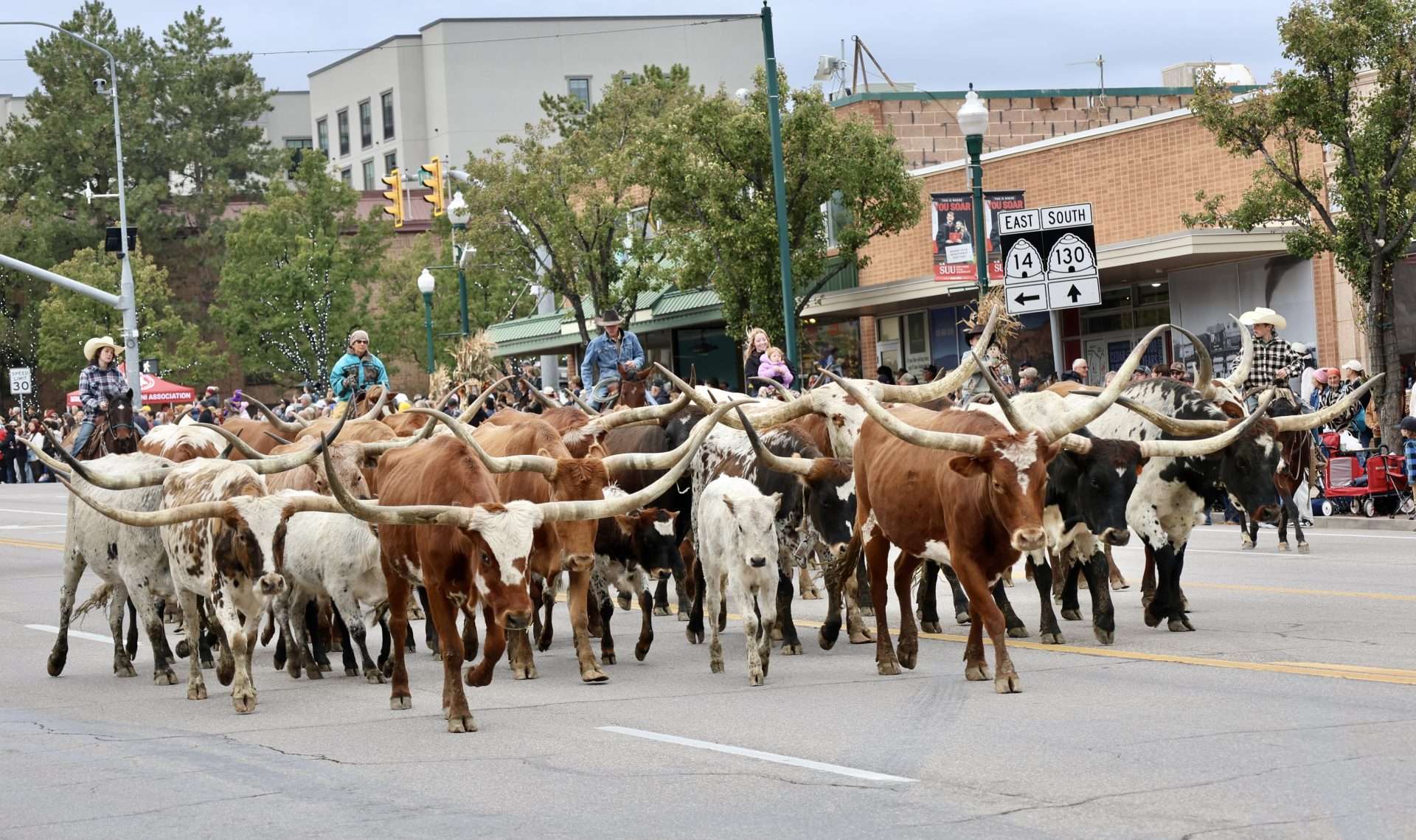
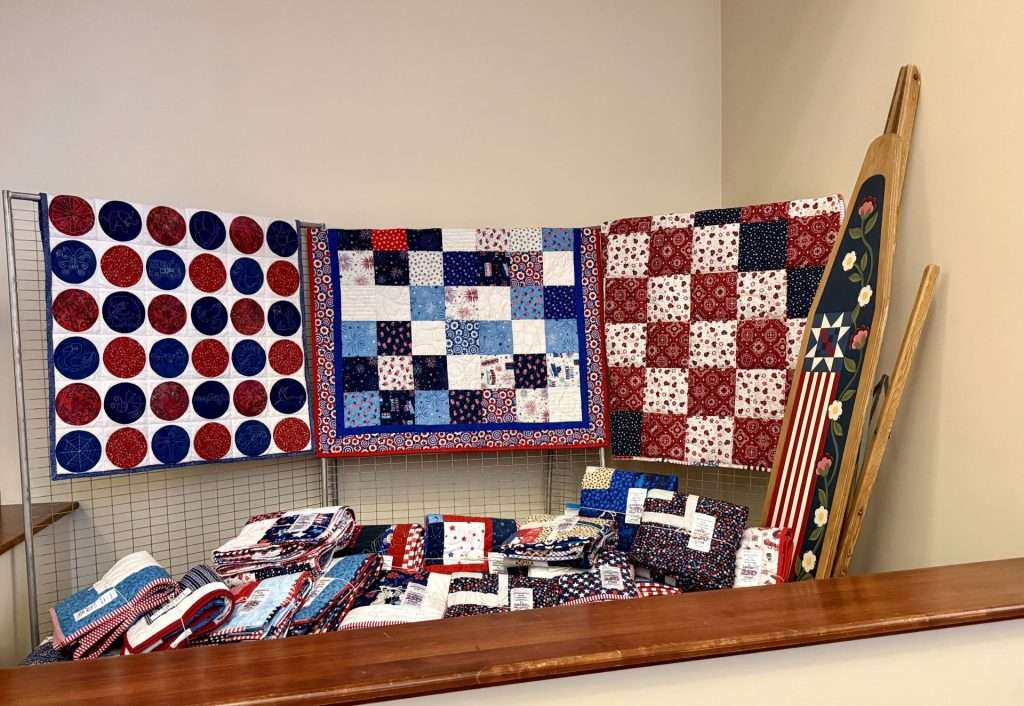
The celebration offered something for everyone, including cowboy poetry and music, a ranch rodeo, dutch oven cooking contest, art and photography contests, a vintage car show and delicious lamb burgers. The festivities concluded Sunday with Cowboy Church at the Diamond Z Arena. The Cedar Chest Quilters Guild also hosted its annual quilt show at the Heritage Center.
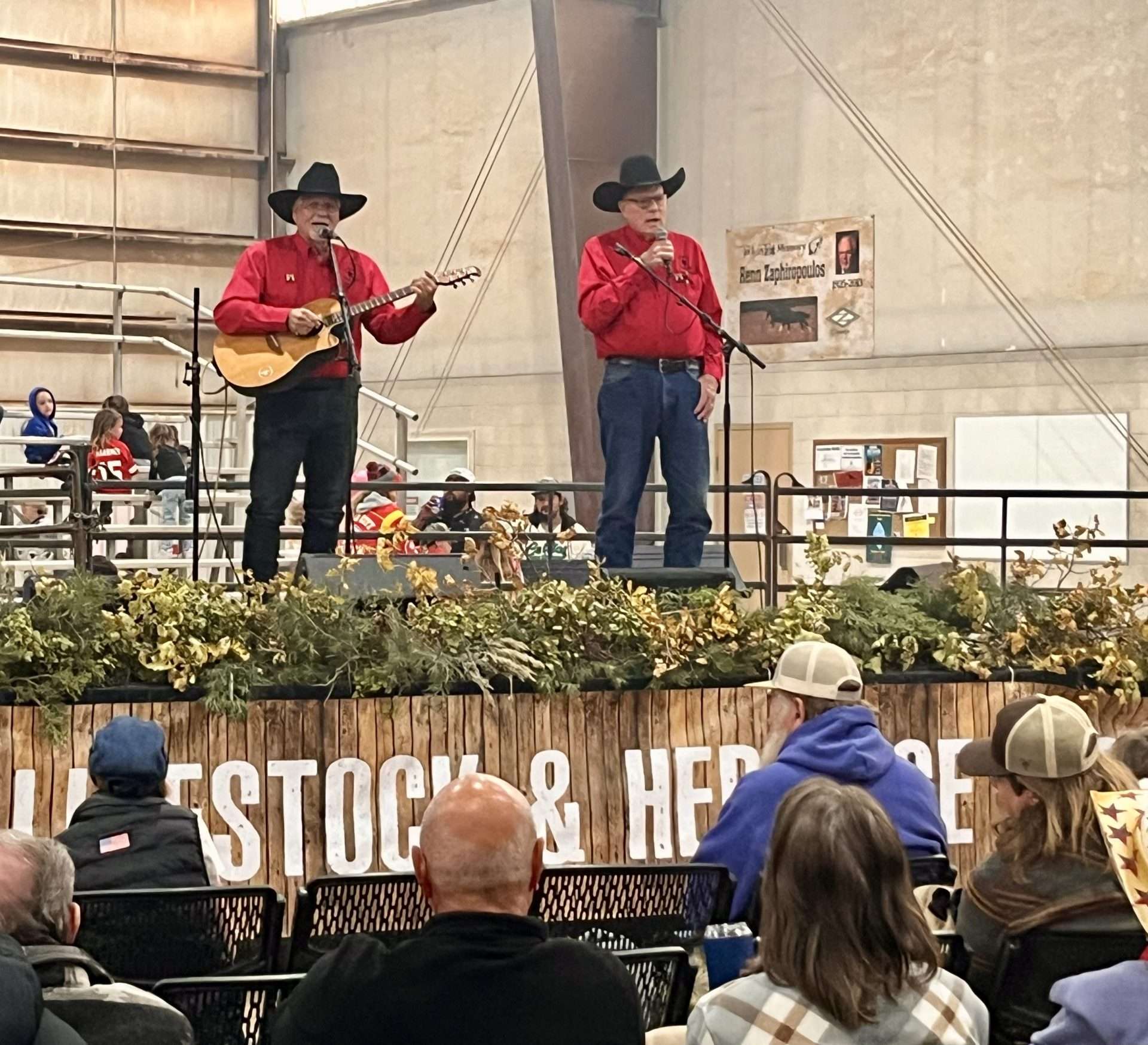
Iron County has a rich and inspiring history, one that deserves to be remembered and celebrated. Autumn is an especially meaningful season in this region, marking both the harvest of crops and the annual tradition of moving livestock from the high mountain ranges to the desert valleys for the winter.
The Cedar Livestock & Heritage Festival Committee extends its heartfelt appreciation to everyone who continues to support and attend the Sheep Parade and Cedar Livestock & Heritage Festival.
A Look Back at Iron County’s Sheep Industry
The history of Iron County’s livestock industry dates back to the arrival of its first European settlers, and sheep have played an important role in the region ever since.
The first sheep were brought to Cedar City in November 1851 by the Wilden family, who later moved to Beaver. Although they arrived with only two sheep, the demand for wool quickly grew. Families eagerly acquired one or two sheep of their own to provide the wool needed to spin yarn and make clothing.
By 1869, the Co-op Sheep Company, then the only livestock operation using the open range, had expanded its flock to approximately 500 sheep.
That same spring, a cooperative livestock association was established. Sheep were valued at five dollars per head and could be contributed in exchange for stock in the association. The cooperative became a well-managed, dividend-paying enterprise, with many prominent individuals and organizations throughout southern Utah among its shareholders.
By 1879, the cooperative herd had grown to more than 5,000 sheep. Shareholders had sufficient mutton for their families, while thousands of pounds of wool were available for women to card, spin, weave, and knit.
Once the community’s wool needs were met, the surplus was transported to Provo or Salt Lake City, where it was traded for groceries and hardware. These goods were then brought back to Cedar City and sold through the cooperative store.
Stockholders could receive their dividends in merchandise from what became known as the “sheep store.” Remarkably, the store continued operating for several years after the cooperative’s sheep and land were disposed of in 1917.
In those early years, settlers were hesitant to graze sheep in the mountains. Initially, they feared bears and other predators. Later, they worried that sheep might become lost or have to travel too far to reach water.
Although Iron County may never again see the estimated 190,000 sheep that once grazed its lands, the sheep industry remains part of the region’s agricultural identity. Sheep herders and their loyal dogs can still be seen guiding flocks across Cedar Mountain.
The times may change, but the traditions live on. And in Iron County, it truly is all about the sheep!