
By Tracie Sullivan, For Iron County Today
For two weeks, a group of Iron County teenagers are trading summer downtime for CPR training, patrol car scenarios, defensive tactics, search and rescue exercises and a firsthand look at what it means to serve a community.
The Iron County Sheriff’s Office Junior Deputy Academy gives youth ages 14 to 19 a behind-the-scenes look at law enforcement and other first responder careers.
The program introduces students to agencies, skills and career paths they may never have considered.
But for the deputies who help run it, the program is about more than uniforms, patrol cars and training exercises.
It is also about confidence. Mentorship. Trust. And giving young people a chance to see the person behind the badge.
“I hated cops growing up until I had those positive interactions with law enforcement, which ultimately changed my life,” said Cpl. Anna Teeples, who helps oversee the program. “That’s what my goal for this is, that we can be that positive interaction for these kids.”
The academy has been operating in some form since about 2009 and has continued for roughly 15 years, with a few breaks when there was no one available to coordinate it.
Originally, the academy lasted about a month. It was later shortened to three weeks and is now held for two weeks.
The shorter format still allows students to experience a wide range of training while making the program manageable for the deputies and agencies involved, Teeples said.
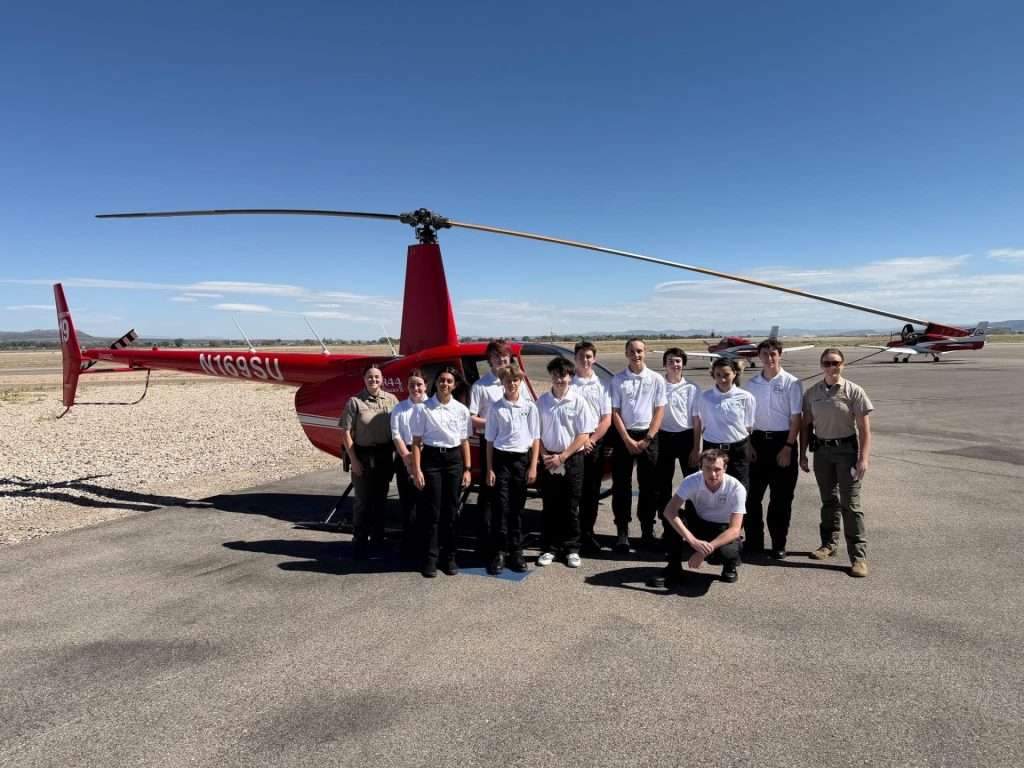
The academy includes instruction and demonstrations from the Iron County Sheriff’s Office, Cedar City Police Department, Utah Highway Patrol, Southern Utah University Police, Enoch Police Department and Adult Probation and Parole.
“The goal,” Teeples said, “is to show students that public safety includes far more than just being a cop.”
“I feel like there’s that misconception,” she said. “People get caught up in just, ‘law enforcement is cops only.’”
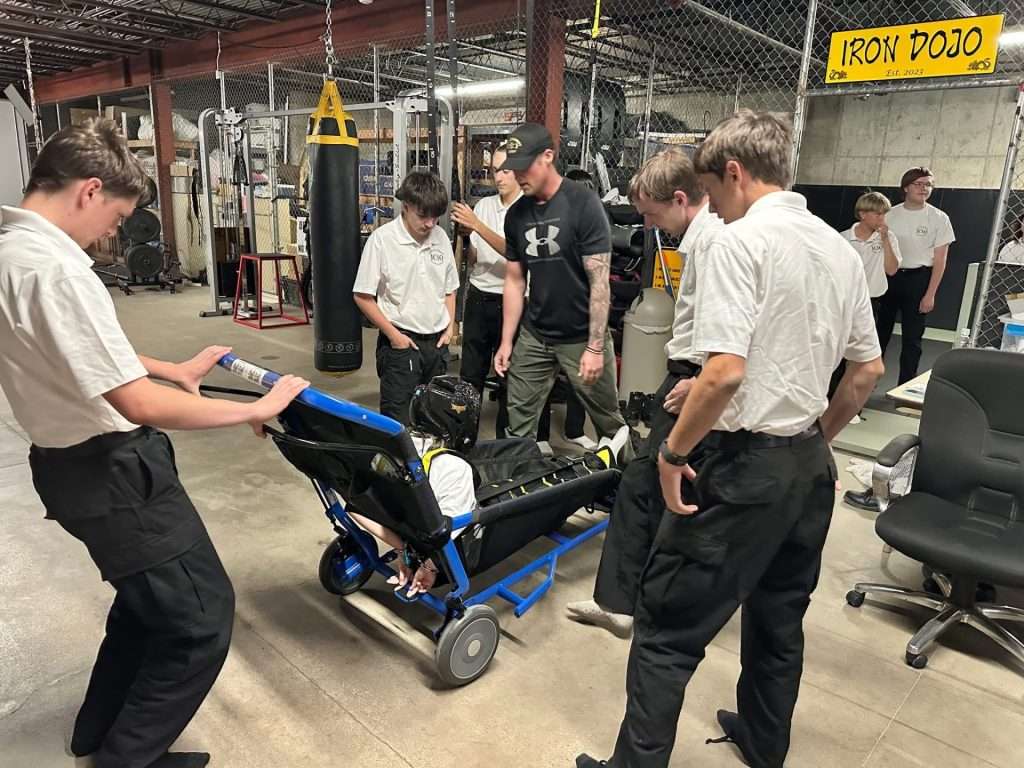
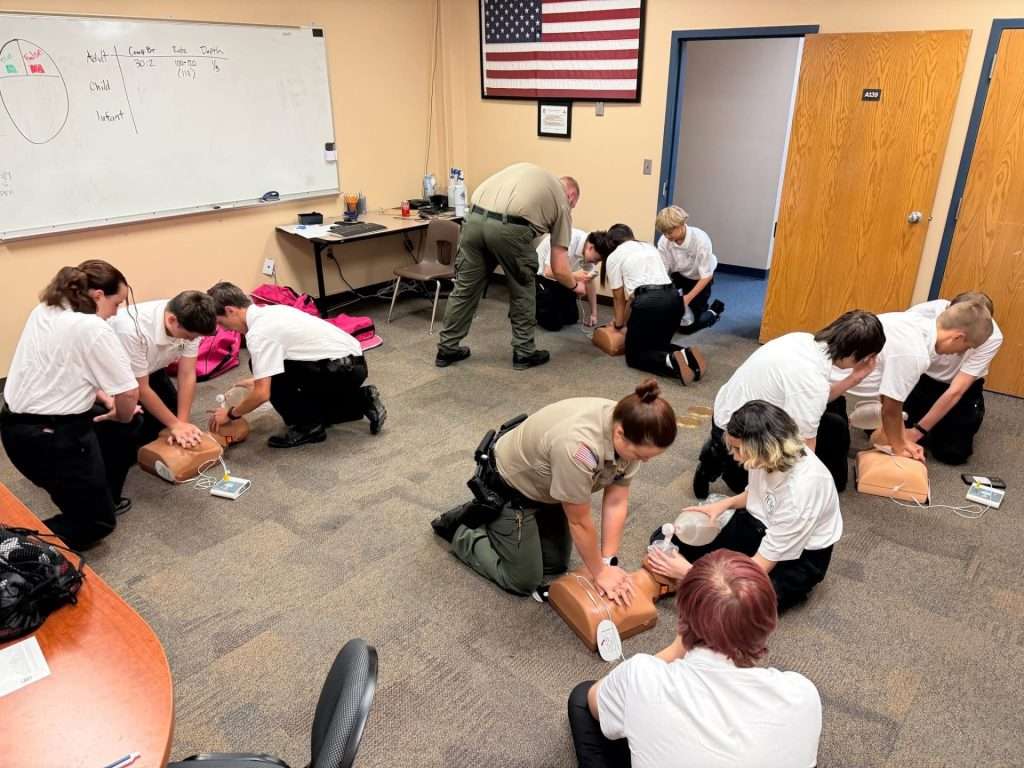
During the two weeks, students learn CPR and lifesaving skills, field sobriety testing, vehicle stops, evidence collection, search and seizure, defensive tactics, jail operations, firearms safety, and search and rescue operations.
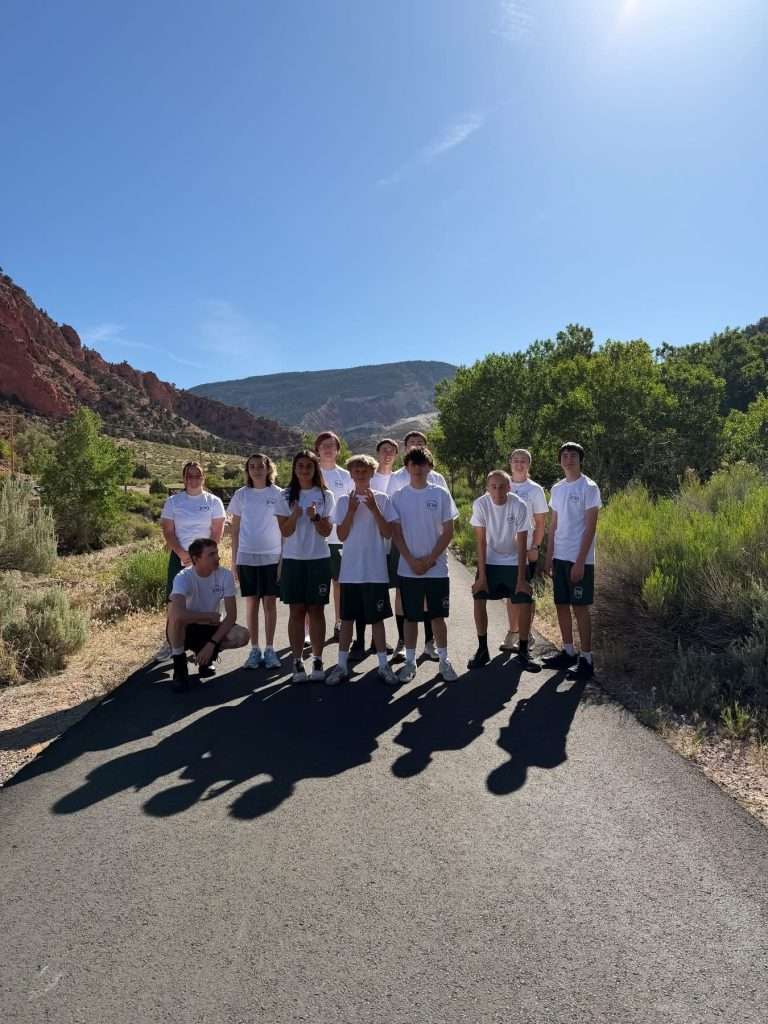
Students begin the academy by taking a fitness test similar to the one required to graduate from the police academy, including a 1.5-mile run, pushups, a plank and a vertical jump.
After two weeks of daily physical training, they take the test again, giving them a chance to see how much they have improved.
Deputy Mary Menke said she often sees students surprise themselves.
“Sometimes it’s just because they didn’t know that they could do it,” she said.
One of the program’s highlights is a search and rescue day at Kanarra Falls, where students watch a mock rescue involving a victim being lowered by ropes and carried out in a Stokes basket.
Students also rappel from the fire training building near 1600 North and Lund Highway.
While those moments can be intimidating, they often become some of the most meaningful.
“A lot of them try to back out, and we try to encourage them to face their fears and do it,” Menke said. “Every single one of them, once they do it, they are glad they did.”
Along with new skills, many students leave the academy with something else: friendships. Some participants return year after year, including one student this year who is attending for a third time.
“Quite a few of the kids end up being close friends with somebody after our program,” Menke said.
Lt. Shawn Peterson said the program also helps strengthen relationships between law enforcement and the community.
Some families who enroll their children may have only interacted with deputies in some of their worst moments, but still trust the agency enough to send their children to the academy.
“I just really feel like it’s bridging a gap between law enforcement and the community,” Peterson said.
Part of that comes from giving students an opportunity to see officers outside of emergency calls, investigations and other stressful situations.
Instead of interacting with a badge, they get to know the people wearing it.
“We’re all just people that joined this law enforcement community to try and help people,” Menke said.
Over the years, several former participants have even gone on to work in law enforcement or related agencies, Peterson said.
The belief that a single positive interaction can change a young person’s future isn’t just a talking point for Teeples. It is something she experienced herself.
As a teenager, she got into trouble, spent time around gangs and often viewed law enforcement with distrust.
“I hated cops growing up until I had those positive interactions with law enforcement, which ultimately changed my life,” she said.
Now, she hopes the academy can do the same for someone else.
“They’re going to come to a crossroads in their life,” Teeples said. “I hope that this positive interaction with them, that they choose the better road.”
The academy is held each summer, with announcements typically posted in March or April on the Iron County Sheriff’s Office website and Facebook page.
The program is open to youth ages 14 to 19. Space is limited.
Peterson said the sheriff’s office tries to keep costs as low as possible and does not want money to prevent interested students from participating.
“We will never turn anybody away,” he said. “We will do everything we can to work with people.”
The academy will conclude with a graduation ceremony June 19 at the Heritage Center, where families will gather to recognize what students accomplished during the two-week program.