


Opens in a new tab
By May Hunter, For Iron County Today 

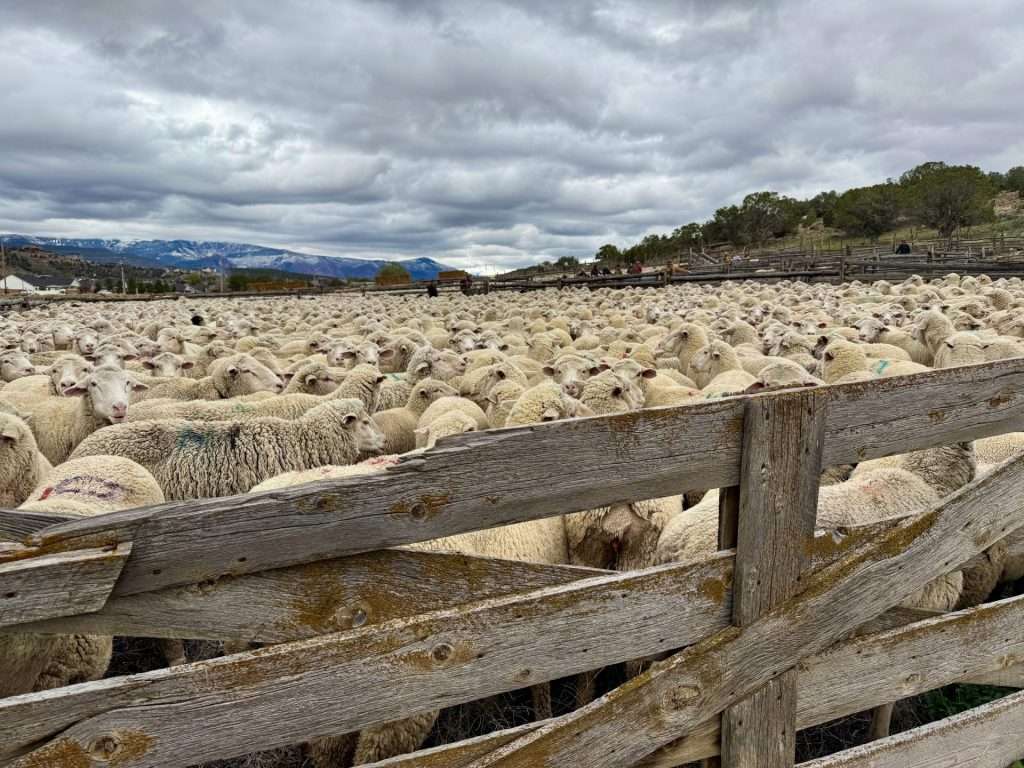
Each fall, a longstanding tradition unfolds in Iron County, Utah, as thousands of sheep make their journey from the high summer pastures of Cedar Mountain to the valleys below. Known as the Cedar Livestock Trail, this seasonal migration is a treasured part of the region’s agricultural heritage, connecting today’s ranchers with generations of hardworking pioneers.

The tradition dates back to approximately 1870, not long after Cedar City was settled in 1851. For more than a century, local ranchers have guided their flocks along historic routes, moving thousands of sheep through canyons, across roads, and even through the streets of Cedar City on their way to winter grazing grounds.

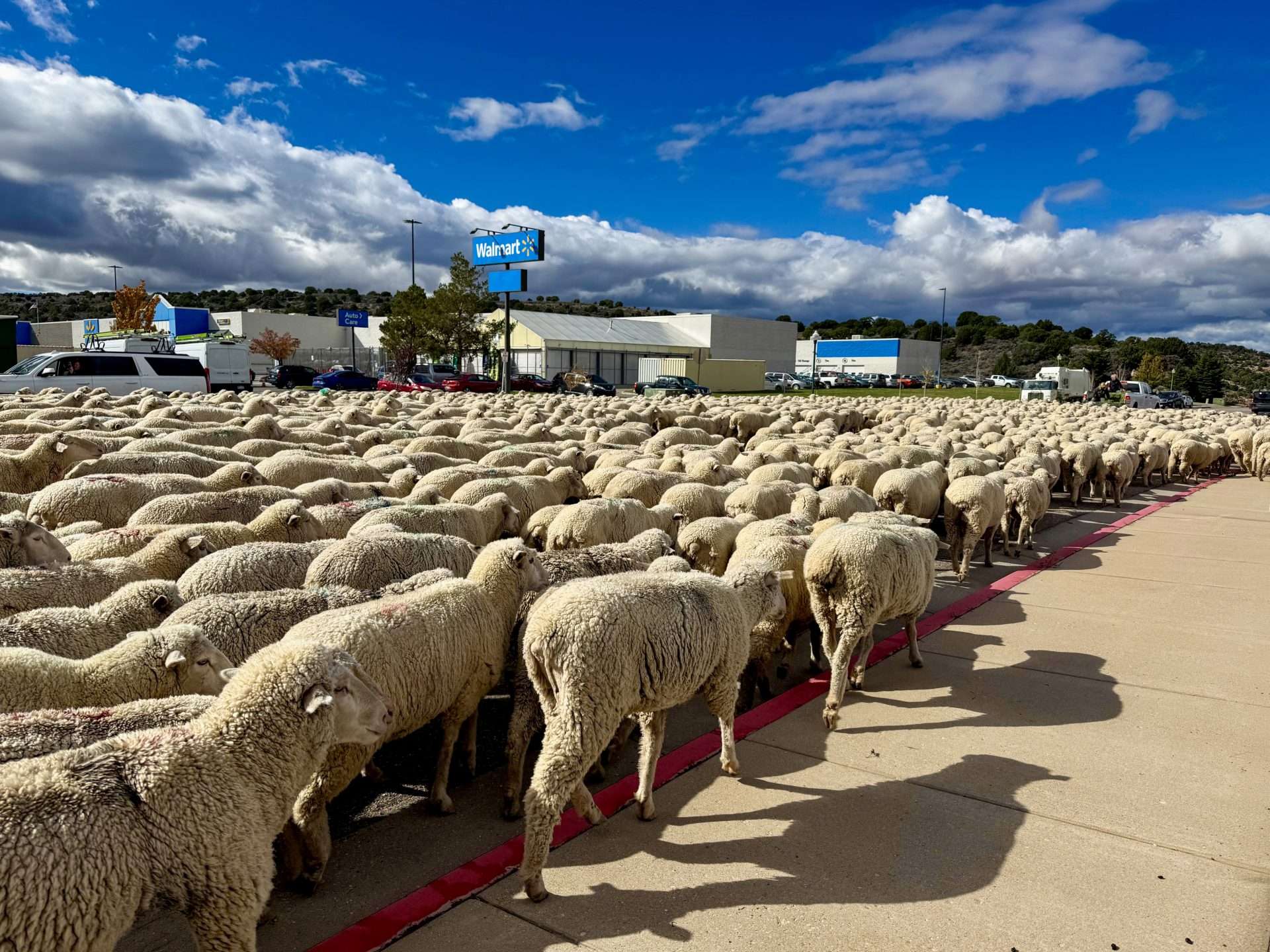
The traditional route includes portions of Old Highway 91, Main Street, the Interstate 15 Exit 57 underpass, and Cross Hollow Road, eventually leading to corrals near the Cross Hollow Event Center. As Cedar City has grown, commercial development and expanding neighborhoods have altered portions of the original trail, creating new challenges for ranchers and their livestock.
img 6589

In the 1990s, an attempt was made to redirect the sheep away from busy streets by constructing a concrete tunnel beneath the city. Unfortunately, the darkness and unfamiliar noises frightened the animals, and the tunnel was abandoned after just one season. Ranchers soon returned to the traditional practice of guiding their flocks through town.

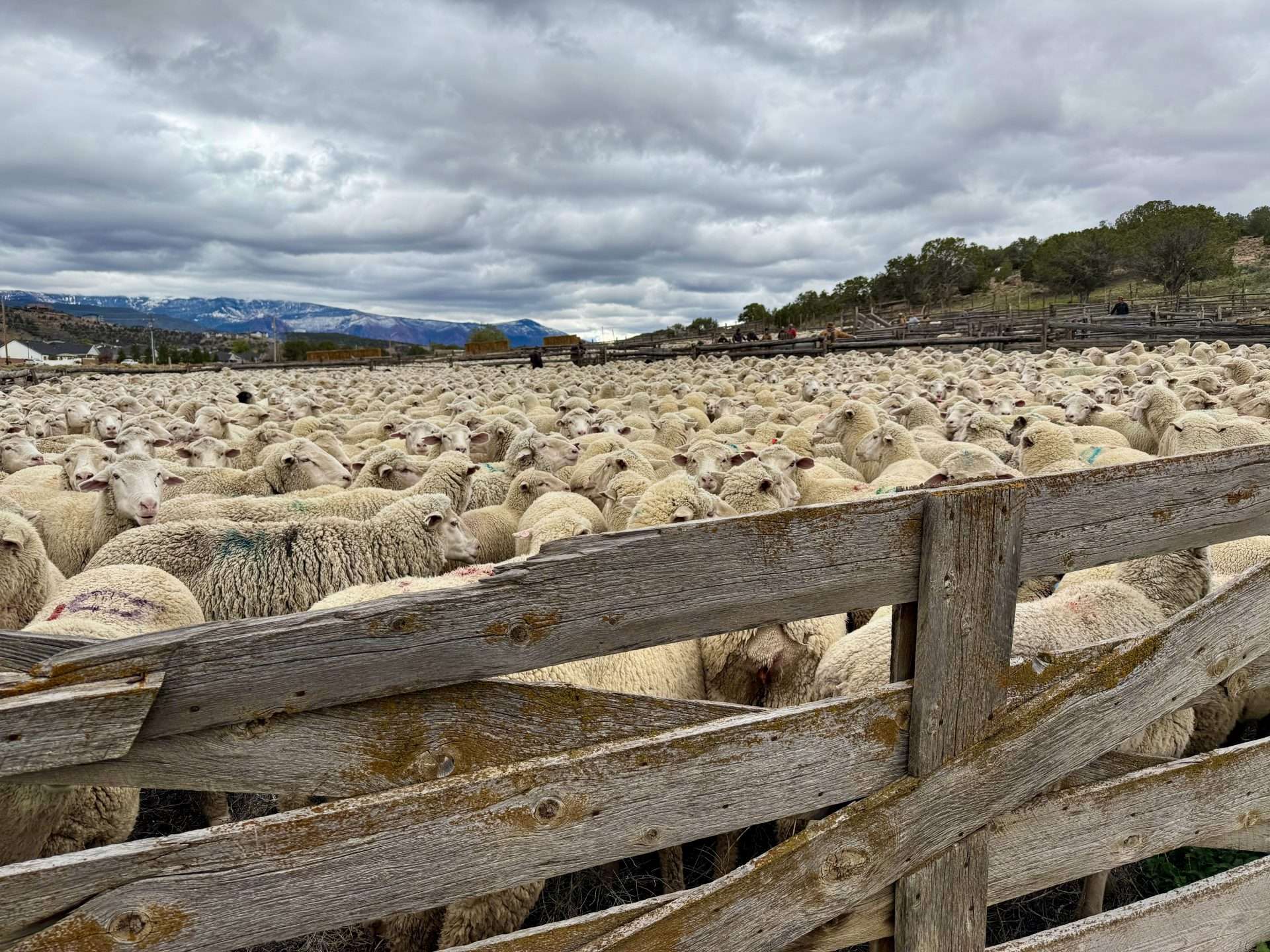
On November 4, 2026, approximately 5,000 sheep made their annual descent from Cedar Mountain’s summer ranges. Robert S. Clark Sheep and Cattle accounted for the majority of the herd, with approximately 3,500 sheep. Jared and Amanda Cornelius, Kason Mangum, and Colb Urie contributed approximately 1,200 additional sheep.

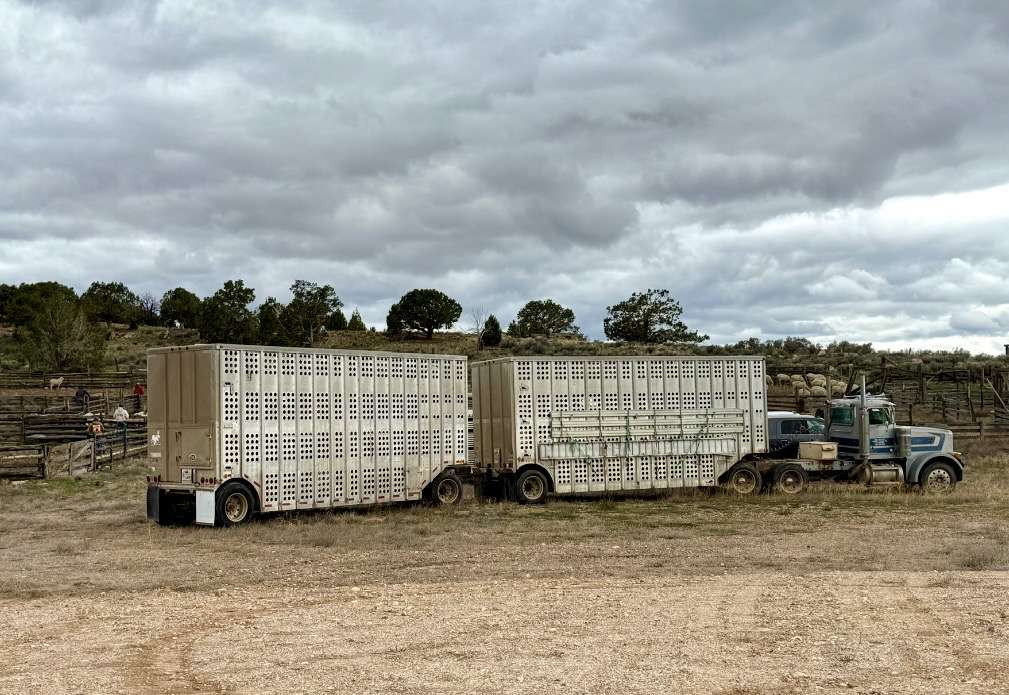
Upon reaching the Livestock Association stockyards, the sheep were carefully separated and returned to their respective owners. From there, they were transported to their winter ranges, where the rams would join the ewes for breeding. Come early spring, a new generation of lambs will arrive, continuing the cycle of ranching life.
img 6591

screenshot

Iron County is home to the largest population of sheep and lambs in Southern Utah, with more than 42,000 sheep grazing on Cedar Mountain. Sheep have long been the dominant livestock species in the area, partly because of their ability to consume certain native plants that are toxic to cattle.

Behind this annual migration is a way of life that requires remarkable dedication, endurance, and a deep connection to the land. Sheep herding on Cedar Mountain remains a living pioneer tradition, marked by long days, isolated camps, and the rugged beauty of the backcountry.

Herders often spend weeks or even months living in camp trailers or traditional sheep wagons, enduring changing weather conditions while keeping a constant watch over their flocks. Ranch owners regularly deliver food, water, and supplies, along with feed for the hardworking dogs and horses that are essential to the operation.

The bond between a sheep herder and a well-trained working dog is especially remarkable. These loyal companions are trained to guide, protect, and manage the sheep in a variety of situations. Together, herders and their dogs work tirelessly, often in remote wilderness areas, ensuring the safety and well-being of the flock.

Yet sheep herding is about much more than livestock. It is about the people who have dedicated their lives to the land, the families who have carried on ranching traditions for generations, and the determination of those who came before them.

It is a story of pioneers who dared to dream, braved the unknown, and left an enduring mark on the land they came to call home.

As thousands of sheep make their way down Cedar Mountain each fall, they carry with them more than a century of history, reminding us that some traditions are worth preserving.

“My sheep may wander, but my dog never sleeps.”

— A Sheep Herder

" data-pos="top" value="0" max="100">
img 6591

Bringing the Sheep Down the Mountain3 min read

By May Hunter, For Iron County Today 

Each fall, a longstanding tradition unfolds in Iron County, Utah, as thousands of sheep make their journey from the high summer pastures of Cedar Mountain to the valleys below. Known as the Cedar Livestock Trail, this seasonal migration is a treasured part of the region’s agricultural heritage, connecting today’s ranchers with generations of hardworking pioneers.

The tradition dates back to approximately 1870, not long after Cedar City was settled in 1851. For more than a century, local ranchers have guided their flocks along historic routes, moving thousands of sheep through canyons, across roads, and even through the streets of Cedar City on their way to winter grazing grounds.

The traditional route includes portions of Old Highway 91, Main Street, the Interstate 15 Exit 57 underpass, and Cross Hollow Road, eventually leading to corrals near the Cross Hollow Event Center. As Cedar City has grown, commercial development and expanding neighborhoods have altered portions of the original trail, creating new challenges for ranchers and their livestock.

img 6589

In the 1990s, an attempt was made to redirect the sheep away from busy streets by constructing a concrete tunnel beneath the city. Unfortunately, the darkness and unfamiliar noises frightened the animals, and the tunnel was abandoned after just one season. Ranchers soon returned to the traditional practice of guiding their flocks through town.

On November 4, 2026, approximately 5,000 sheep made their annual descent from Cedar Mountain’s summer ranges. Robert S. Clark Sheep and Cattle accounted for the majority of the herd, with approximately 3,500 sheep. Jared and Amanda Cornelius, Kason Mangum, and Colb Urie contributed approximately 1,200 additional sheep.

Upon reaching the Livestock Association stockyards, the sheep were carefully separated and returned to their respective owners. From there, they were transported to their winter ranges, where the rams would join the ewes for breeding. Come early spring, a new generation of lambs will arrive, continuing the cycle of ranching life.

img 6591

screenshot

Iron County is home to the largest population of sheep and lambs in Southern Utah, with more than 42,000 sheep grazing on Cedar Mountain. Sheep have long been the dominant livestock species in the area, partly because of their ability to consume certain native plants that are toxic to cattle.

Behind this annual migration is a way of life that requires remarkable dedication, endurance, and a deep connection to the land. Sheep herding on Cedar Mountain remains a living pioneer tradition, marked by long days, isolated camps, and the rugged beauty of the backcountry.

Herders often spend weeks or even months living in camp trailers or traditional sheep wagons, enduring changing weather conditions while keeping a constant watch over their flocks. Ranch owners regularly deliver food, water, and supplies, along with feed for the hardworking dogs and horses that are essential to the operation.

The bond between a sheep herder and a well-trained working dog is especially remarkable. These loyal companions are trained to guide, protect, and manage the sheep in a variety of situations. Together, herders and their dogs work tirelessly, often in remote wilderness areas, ensuring the safety and well-being of the flock.

Yet sheep herding is about much more than livestock. It is about the people who have dedicated their lives to the land, the families who have carried on ranching traditions for generations, and the determination of those who came before them.

It is a story of pioneers who dared to dream, braved the unknown, and left an enduring mark on the land they came to call home.

As thousands of sheep make their way down Cedar Mountain each fall, they carry with them more than a century of history, reminding us that some traditions are worth preserving.

“My sheep may wander, but my dog never sleeps.”

— A Sheep Herder

Share

Leave the first comment