


By May Hunter, For Iron County Today 

“When it’s dark enough, you can see the stars.” — Ralph Waldo Emerson

Thanks to its high elevation and remote location, Cedar Breaks National Monument is one of the best places in Utah to experience the beauty of the night sky. As darkness falls, the monument transforms into a spectacular wonderland filled with brilliant stars.

Every Friday and Saturday evening through September, Cedar Breaks Rangers host free Night Sky Tours at Point Supreme Overlook, near the Visitor Center. The program schedule is adjusted throughout the season to match the changing sunset time.

Currently, the evening begins at 8:30 p.m. with a 30-minute ranger presentation exploring the night sky and astronomy. After the talk, visitors can enjoy telescopic viewing of planets, star clusters, and other celestial objects while rangers lead stargazing activities throughout the evening. Programs conclude around 10:30 p.m.

As one ranger explains:

“At most star parties, you’ll start by watching our closest star, the sun, set behind the western hills. Then the more distant stars begin to appear across the dark sky, and the real stargazing begins.”

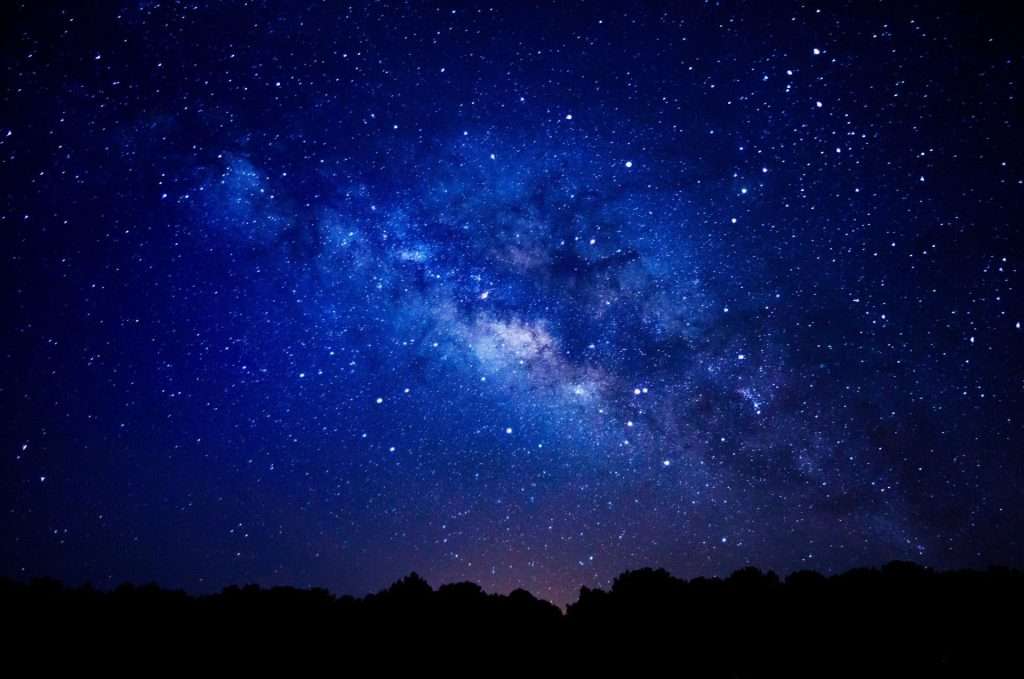
Visitors may have the opportunity to observe planets such as Saturn, Jupiter, and Mars through the park’s telescopes. Depending on the lunar cycle and sky conditions, you may even catch a breathtaking view of the Milky Way stretching across the sky.

At more than 10,000 feet above sea level and far from the glow of city lights, Cedar Breaks offers exceptionally dark skies. The lack of light pollution allows visitors to see thousands of stars that are invisible from most populated areas.

Come discover why Cedar Breaks is considered one of Utah’s premier stargazing destinations. Whether you attend a ranger-led Night Sky Tour or simply spread out a blanket beneath the stars, you’ll experience the wonders of our solar system, sparkling star clusters, distant galaxies, mythology, and the vastness of the universe, all in one unforgettable evening.

No reservations are required, and the program is included with the standard park entrance fee of $25 per vehicle.

Natural darkness is becoming increasingly rare. Today, nearly 80% of Americans live where they can no longer see the Milky Way because of light pollution. Here at Cedar Breaks, we’re fortunate to enjoy some of the darkest skies on Earth. Spending a quiet evening beneath the stars is not only inspiring but also a wonderful reminder to slow down, reflect, and appreciate the beauty around us.

Designated as an International Dark Sky Park, Cedar Breaks offers an unforgettable nighttime experience. Keep an eye out for nocturnal wildlife, including owls, bats, deer, bobcats, and even fireflies as they emerge after sunset.

Once the daylight fades, the adventure begins. Join a Night Sky Tour and experience Cedar Breaks in a way few visitors ever do.

For more information about current program times and astronomy events, visit nps.gov/cedarbreaks.

“Shoot for the stars. But if you happen to miss, shoot for the moon.” — Neil Armstrong

" data-pos="top" value="0" max="100">
cedar breaks after dark image

Cedar Breaks After Dark2 min read

By May Hunter, For Iron County Today 

“When it’s dark enough, you can see the stars.” — Ralph Waldo Emerson

Thanks to its high elevation and remote location, Cedar Breaks National Monument is one of the best places in Utah to experience the beauty of the night sky. As darkness falls, the monument transforms into a spectacular wonderland filled with brilliant stars.

Every Friday and Saturday evening through September, Cedar Breaks Rangers host free Night Sky Tours at Point Supreme Overlook, near the Visitor Center. The program schedule is adjusted throughout the season to match the changing sunset time.

Currently, the evening begins at 8:30 p.m. with a 30-minute ranger presentation exploring the night sky and astronomy. After the talk, visitors can enjoy telescopic viewing of planets, star clusters, and other celestial objects while rangers lead stargazing activities throughout the evening. Programs conclude around 10:30 p.m.

As one ranger explains:

“At most star parties, you’ll start by watching our closest star, the sun, set behind the western hills. Then the more distant stars begin to appear across the dark sky, and the real stargazing begins.”

Visitors may have the opportunity to observe planets such as Saturn, Jupiter, and Mars through the park’s telescopes. Depending on the lunar cycle and sky conditions, you may even catch a breathtaking view of the Milky Way stretching across the sky.

At more than 10,000 feet above sea level and far from the glow of city lights, Cedar Breaks offers exceptionally dark skies. The lack of light pollution allows visitors to see thousands of stars that are invisible from most populated areas.

Come discover why Cedar Breaks is considered one of Utah’s premier stargazing destinations. Whether you attend a ranger-led Night Sky Tour or simply spread out a blanket beneath the stars, you’ll experience the wonders of our solar system, sparkling star clusters, distant galaxies, mythology, and the vastness of the universe, all in one unforgettable evening.

No reservations are required, and the program is included with the standard park entrance fee of $25 per vehicle.

Natural darkness is becoming increasingly rare. Today, nearly 80% of Americans live where they can no longer see the Milky Way because of light pollution. Here at Cedar Breaks, we’re fortunate to enjoy some of the darkest skies on Earth. Spending a quiet evening beneath the stars is not only inspiring but also a wonderful reminder to slow down, reflect, and appreciate the beauty around us.

Designated as an International Dark Sky Park, Cedar Breaks offers an unforgettable nighttime experience. Keep an eye out for nocturnal wildlife, including owls, bats, deer, bobcats, and even fireflies as they emerge after sunset.

Once the daylight fades, the adventure begins. Join a Night Sky Tour and experience Cedar Breaks in a way few visitors ever do.

For more information about current program times and astronomy events, visit nps.gov/cedarbreaks.

“Shoot for the stars. But if you happen to miss, shoot for the moon.” — Neil Armstrong

Share

Leave the first comment