


April is recognized nationwide as Physical Wellness Month, a time to reflect on the habits and conditions that contribute to our overall health and quality of life. When most people think about physical wellness, they consider exercise, nutrition, sleep, and stress management. Yet one critical component of health is often overlooked: hearing.

Hearing loss and tinnitus, the perception of ringing or buzzing in the ears, are frequently dismissed as routine parts of aging. However, research and clinical experience show that untreated hearing loss affects far more than the ears. It can impair cognitive function, increase depression and social isolation, raise the risk of falls, disrupt sleep, and even increase the risk of dementia. This April, Physical Wellness Month offers an opportunity to highlight why hearing health is essential to overall physical well-being.

Hearing Loss: Not Just a Sensory Problem

Modern research increasingly recognizes hearing loss not simply as a sensory inconvenience, but as a significant medical condition with widespread health implications.
preventing decline book

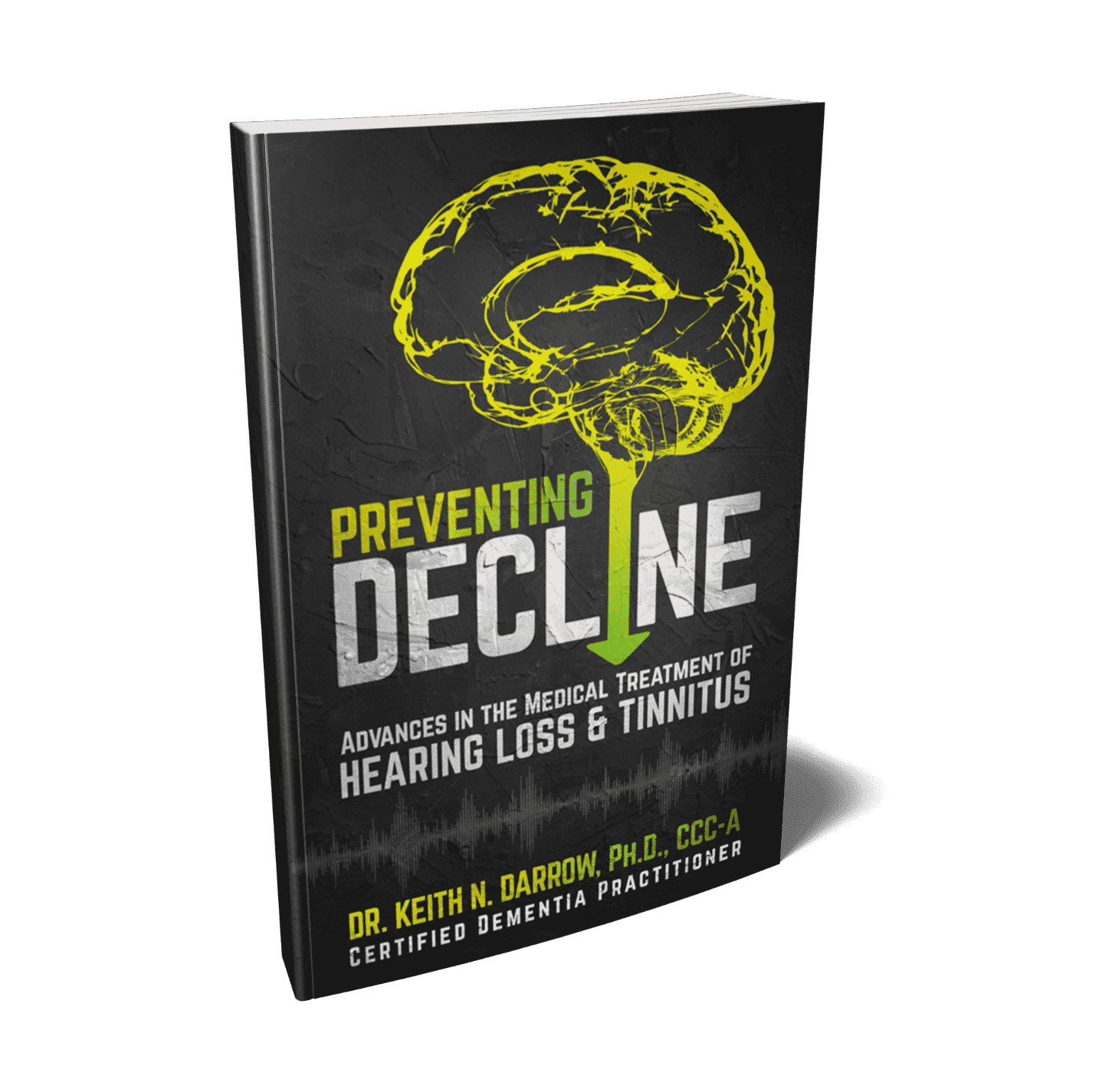
In his book Preventing Decline: Advances in the Medical Treatment of Hearing Loss & Tinnitus, Dr. Keith N. Darrow explains that untreated hearing loss does more than make conversations difficult. It can shorten healthy, active years of life. Hearing loss is one of the most common chronic conditions affecting older adults, and when left untreated it is associated with increased risks of dementia, falls, social withdrawal, and premature mortality. Monitoring and treating hearing loss early is an important step toward maintaining independence and long-term health.

Hearing and the Brain: Increased Cognitive Load

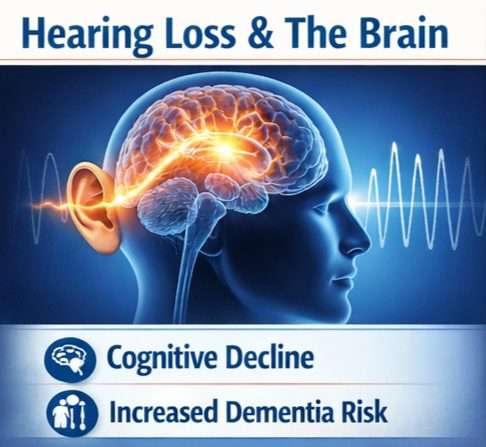
One of the most significant consequences of untreated hearing loss is the increased cognitive effort it places on the brain. When hearing declines, the brain must work harder to interpret incomplete sound signals, particularly during conversations or in noisy environments.

Over time, this constant listening effort diverts cognitive resources away from memory, attention, and other important mental functions. Research suggests that treating hearing loss, particularly with prescriptive hearing technology, may help slow the rate of cognitive decline in individuals at higher risk of dementia while improving overall quality of life.

Social Isolation, Emotional Wellness, and Physical Health

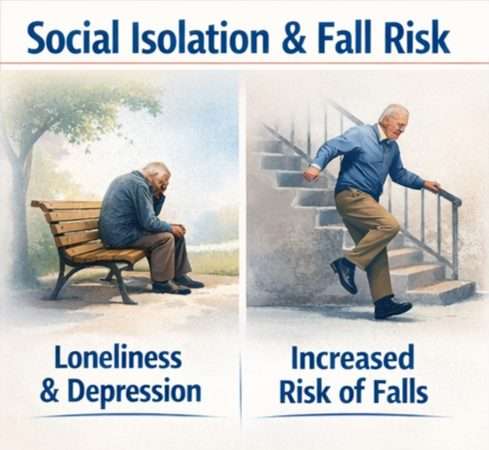
Hearing loss also affects how people connect with others. Individuals with untreated hearing impairment often begin to withdraw from conversations, avoid social gatherings, and reduce phone or video communication due to difficulty hearing clearly.

This gradual withdrawal can lead to social isolation, which has been strongly linked to depression, increased stress, and poorer health outcomes. Studies suggest that loneliness and depressive symptoms may partly explain the relationship between hearing loss and cognitive decline. Addressing hearing health supports social engagement, which is a vital contributor to both emotional and physical wellness.
social isolation fall risk edited

Balance, Falls, and Physical Safety

The ears serve more than one purpose. In addition to detecting sound, the inner ear contains structures that help regulate balance.

When hearing and vestibular systems are compromised, the body’s ability to maintain stability can be affected. Older adults with hearing loss face a significantly higher risk of falls, which remain one of the leading causes of injury and loss of independence among seniors. Identifying and treating hearing loss early may help improve sensory input and reduce fall risk, supporting greater confidence and safety in everyday movement.

Sleep, Stress, and Overall Health

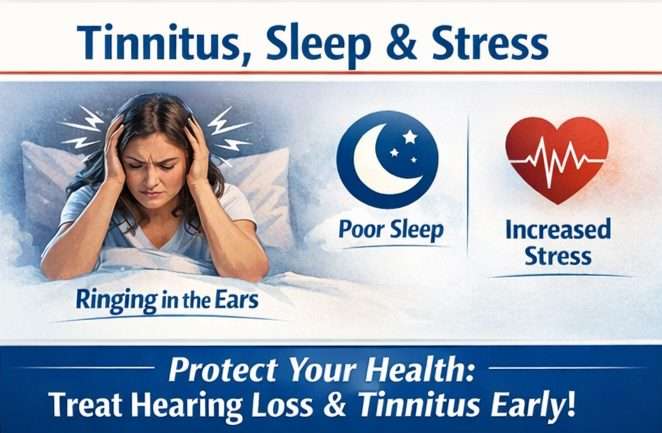
Tinnitus can also interfere with sleep quality, leading to increased stress, irritability, and fatigue. Poor sleep has been associated with numerous health concerns including cardiovascular disease, weakened immune function, and reduced cognitive performance.

By addressing tinnitus and hearing loss through appropriate treatment, many individuals experience improvements in sleep quality and reductions in daily stress. Better sleep and lower stress are essential components of maintaining overall physical wellness.
f33c5673 06dc 49c7 b211 eec9bf221473

Taking Control: Early Detection and Effective Treatment

One of the most encouraging aspects of hearing health is that hearing loss is often treatable. Unlike many chronic conditions that progress silently, hearing impairment can frequently be addressed through modern audiological care.

Advances in diagnostic testing and prescriptive hearing technology now allow clinicians to support auditory function, reduce tinnitus distress, and protect long-term brain health. Dr. Darrow emphasizes that hearing care should be viewed as an important component of preventative healthcare, similar to routine vision exams, dental care, and annual physical check-ups.

Regular hearing evaluations, particularly for adults over the age of 50, can identify subtle changes before they lead to more serious health consequences.

A Call to Wellness This April

As we observe Physical Wellness Month this April, it is important to broaden the definition of wellness. Hearing health plays a central role in how we communicate, connect with others, think clearly, move safely, and maintain independence.

This Physical Wellness Month, we invite you to take a proactive step toward protecting both brain and body. Dr. Keith N. Darrow’s book Preventing Decline: Advances in the Medical Treatment of Hearing Loss & Tinnitus explores the powerful relationship between hearing health, cognitive function, balance, and overall wellness. Backed by research and written in an easy-to-understand format, the book explains how treating hearing loss and tinnitus may help reduce the risk of cognitive decline, dementia, falls, and social isolation.

To receive your FREE copy, visit hbcabookoffer.com and request yours while supplies last.

If you or a loved one have noticed changes in hearing, tinnitus, difficulty understanding speech in noisy environments, or increased listening fatigue, now is the time to act. Early detection and treatment can support healthier aging, improve quality of life, and protect both brain and body.

Take the first step toward better wellness by scheduling a hearing assessment today. Visit intermountainaudiology.com

Contact Hearing and Brain Centers to learn more about how hearing care supports your physical and cognitive health.

Call (435) 261-9920 today. 


" data-pos="top" value="0" max="100">
hearing loss brain edited

Hearing Loss and Tinnitus: A Hidden Threat to Physical Wellness5 min read

By Hearing and Brain Centers of America

April is recognized nationwide as Physical Wellness Month, a time to reflect on the habits and conditions that contribute to our overall health and quality of life. When most people think about physical wellness, they consider exercise, nutrition, sleep, and stress management. Yet one critical component of health is often overlooked: hearing.

Hearing loss and tinnitus, the perception of ringing or buzzing in the ears, are frequently dismissed as routine parts of aging. However, research and clinical experience show that untreated hearing loss affects far more than the ears. It can impair cognitive function, increase depression and social isolation, raise the risk of falls, disrupt sleep, and even increase the risk of dementia. This April, Physical Wellness Month offers an opportunity to highlight why hearing health is essential to overall physical well-being.

Hearing Loss: Not Just a Sensory Problem

Modern research increasingly recognizes hearing loss not simply as a sensory inconvenience, but as a significant medical condition with widespread health implications.

preventing decline book

In his book Preventing Decline: Advances in the Medical Treatment of Hearing Loss & Tinnitus, Dr. Keith N. Darrow explains that untreated hearing loss does more than make conversations difficult. It can shorten healthy, active years of life. Hearing loss is one of the most common chronic conditions affecting older adults, and when left untreated it is associated with increased risks of dementia, falls, social withdrawal, and premature mortality. Monitoring and treating hearing loss early is an important step toward maintaining independence and long-term health.

Hearing and the Brain: Increased Cognitive Load

One of the most significant consequences of untreated hearing loss is the increased cognitive effort it places on the brain. When hearing declines, the brain must work harder to interpret incomplete sound signals, particularly during conversations or in noisy environments.

Over time, this constant listening effort diverts cognitive resources away from memory, attention, and other important mental functions. Research suggests that treating hearing loss, particularly with prescriptive hearing technology, may help slow the rate of cognitive decline in individuals at higher risk of dementia while improving overall quality of life.

Social Isolation, Emotional Wellness, and Physical Health

Hearing loss also affects how people connect with others. Individuals with untreated hearing impairment often begin to withdraw from conversations, avoid social gatherings, and reduce phone or video communication due to difficulty hearing clearly.

This gradual withdrawal can lead to social isolation, which has been strongly linked to depression, increased stress, and poorer health outcomes. Studies suggest that loneliness and depressive symptoms may partly explain the relationship between hearing loss and cognitive decline. Addressing hearing health supports social engagement, which is a vital contributor to both emotional and physical wellness.

social isolation fall risk edited

Balance, Falls, and Physical Safety

The ears serve more than one purpose. In addition to detecting sound, the inner ear contains structures that help regulate balance.

When hearing and vestibular systems are compromised, the body’s ability to maintain stability can be affected. Older adults with hearing loss face a significantly higher risk of falls, which remain one of the leading causes of injury and loss of independence among seniors. Identifying and treating hearing loss early may help improve sensory input and reduce fall risk, supporting greater confidence and safety in everyday movement.

Sleep, Stress, and Overall Health

Tinnitus can also interfere with sleep quality, leading to increased stress, irritability, and fatigue. Poor sleep has been associated with numerous health concerns including cardiovascular disease, weakened immune function, and reduced cognitive performance.

By addressing tinnitus and hearing loss through appropriate treatment, many individuals experience improvements in sleep quality and reductions in daily stress. Better sleep and lower stress are essential components of maintaining overall physical wellness.

f33c5673 06dc 49c7 b211 eec9bf221473

Taking Control: Early Detection and Effective Treatment

One of the most encouraging aspects of hearing health is that hearing loss is often treatable. Unlike many chronic conditions that progress silently, hearing impairment can frequently be addressed through modern audiological care.

Advances in diagnostic testing and prescriptive hearing technology now allow clinicians to support auditory function, reduce tinnitus distress, and protect long-term brain health. Dr. Darrow emphasizes that hearing care should be viewed as an important component of preventative healthcare, similar to routine vision exams, dental care, and annual physical check-ups.

Regular hearing evaluations, particularly for adults over the age of 50, can identify subtle changes before they lead to more serious health consequences.

A Call to Wellness This April

As we observe Physical Wellness Month this April, it is important to broaden the definition of wellness. Hearing health plays a central role in how we communicate, connect with others, think clearly, move safely, and maintain independence.

This Physical Wellness Month, we invite you to take a proactive step toward protecting both brain and body. Dr. Keith N. Darrow’s book Preventing Decline: Advances in the Medical Treatment of Hearing Loss & Tinnitus explores the powerful relationship between hearing health, cognitive function, balance, and overall wellness. Backed by research and written in an easy-to-understand format, the book explains how treating hearing loss and tinnitus may help reduce the risk of cognitive decline, dementia, falls, and social isolation.

To receive your FREE copy, visit hbcabookoffer.com and request yours while supplies last.

If you or a loved one have noticed changes in hearing, tinnitus, difficulty understanding speech in noisy environments, or increased listening fatigue, now is the time to act. Early detection and treatment can support healthier aging, improve quality of life, and protect both brain and body.

Take the first step toward better wellness by scheduling a hearing assessment today. Visit intermountainaudiology.com

Contact Hearing and Brain Centers to learn more about how hearing care supports your physical and cognitive health.

Call (435) 261-9920 today. 


Share

Leave the first comment